
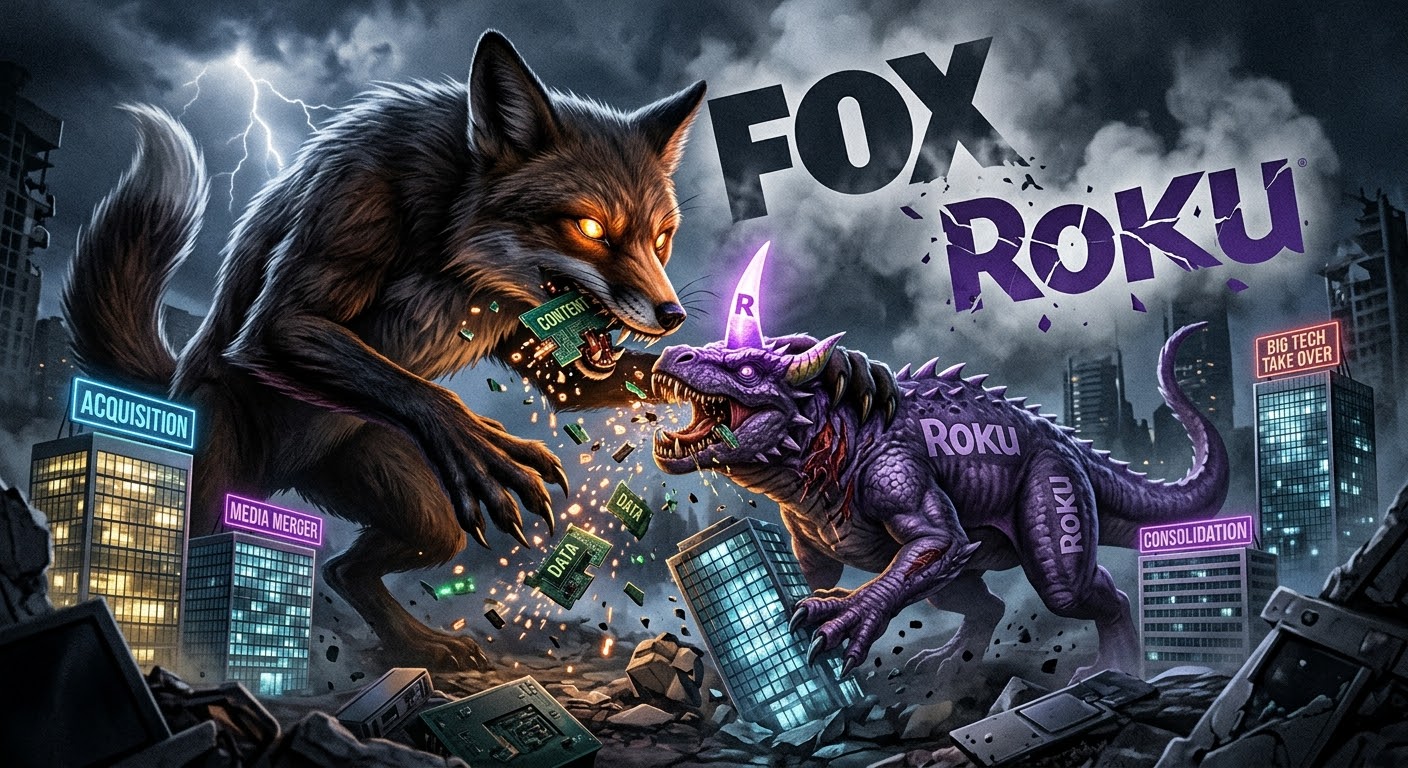
The acquisition of Roku by Fox Corporation represents a major shift in the media landscape, uniting one of the nation’s largest traditional broadcasting networks with a primary gateway to smart TVs. By combining content production with operating-system distribution, this consolidation presents distinct advantages for the companies involved alongside notable drawbacks for consumers and competitors.
The Pros: Why the Deal Makes Sense
For Fox and Roku, the acquisition provides immediate strategic synergies across distribution, advertising, and content scale.
Direct Distribution and Home Screen Dominance: Fox gains direct control over the operating system powering tens of millions of living rooms, guaranteeing primary placement for its properties without relying on third-party platform terms.
Advertising and First-Party Data Integration: Roku’s connected-TV advertising platform, combined with Fox’s existing ad-supported assets like Tubi, creates a formidable free ad-supported streaming television (FAST) and ad-tech ecosystem.
Platform Stability and Financial Backing: For Roku, joining Fox provides deep capital reserves and a legacy media parent, helping protect the platform against aggressive hardware and OS competition from tech giants like Amazon, Google, and Apple.
The Cons: Why the Deal Raises Concerns
The merger also introduces structural conflicts of interest and potential consumer downsides.
Platform Neutrality Risks: Roku historically succeeded as a neutral intermediary where all streaming apps competed equally. As a direct subsidiary of a major media competitor, Roku faces potential friction with rival platforms—such as Netflix, Disney, and Warner Bros. Discovery—who may worry about unfavorable home-screen placement or carriage fees.
Increased Ad Load and Self-Preferencing: Consumers may experience heavier ad volume, more persistent promotional banners for Fox properties, and dedicated hardware integration (such as branded remote control buttons) that limits user customization.
Market Consolidation: Reducing independent distribution gatekeepers limits consumer choice and further concentrates control over public media consumption within a small group of corporate conglomerates.
An Alternative: The Open Media Consortium Model
Rather than full corporate acquisition, an alternative path for streaming infrastructure involves an Open-Source Shared Distribution Consortium.
Under this model, hardware manufacturers and media companies co-fund and operate an independent, non-profit or utility-style operating system (similar to open-source standards in web browsing and mobile networks).
How It Works: Participating media networks co-invest in maintaining a shared, open streaming platform. Discovery algorithms, home-screen real estate, and ad placement standards are governed by transparent, neutral protocols rather than a single parent corporation’s self-interest.
Why It Helps: Hardware makers maintain low device costs, content creators preserve equal access to audience discovery, and consumers avoid locked ecosystems dominated by aggressive ad preferencing. This setup retains platform neutrality while giving media companies robust streaming distribution without requiring a multi-billion-dollar buy-out.
 English